
Chiropractic care at SFC
Visiting a chiropractor for the first time can be a unique and transformative experience, especially if you're seeing a vitalistic chiropractor.
Vitalistic chiropractic care focuses on the body's innate ability to heal itself and emphasizes a holistic approach to health. Listed below is everything you need to know and what to expect from your first visit; including the comprehensive initial assessment, potential use of X-rays, nervous system scans, regular progress examinations, and both short-term and long-term outcomes.
The Comprehensive Initial Assessment

1. Detailed Health History
Your journey with a vitalistic chiropractor begins with a thorough review of your health history. This step is crucial as it helps the chiropractor understand the root causes of your current health issues and any underlying conditions that might be contributing to your symptoms. You will be asked to provide detailed information about your:
This comprehensive health history allows the chiropractor to tailor their approach specifically to your needs.

2. Physical Examination
After reviewing your health history, the chiropractor will perform a physical examination. This exam typically includes:
The purpose of this examination is to identify misalignments, muscle imbalances, or other physical issues that may be contributing to your symptoms.
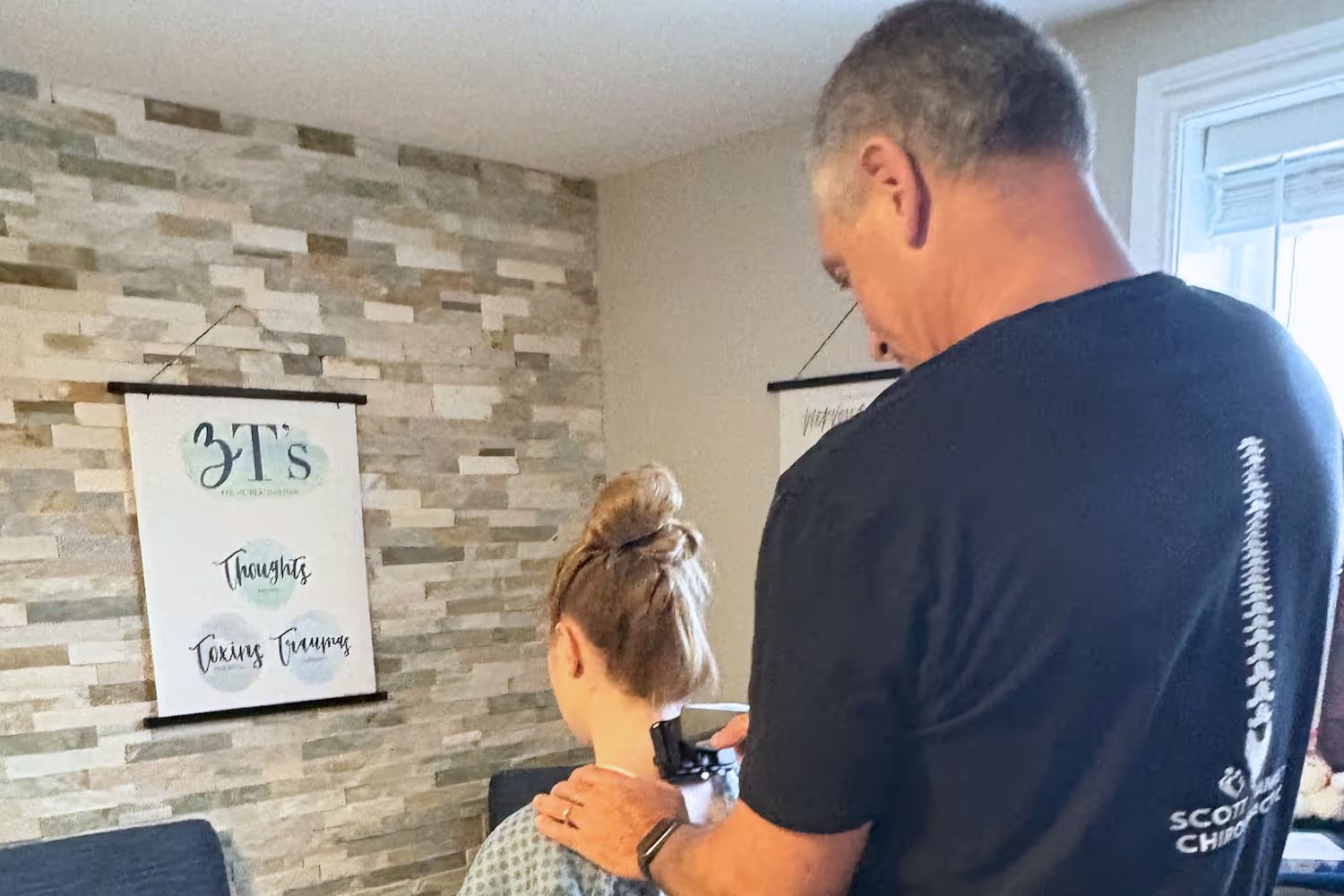
3. Neurological Assessments
In addition to the physical examination, the chiropractor may conduct specific neurological assessments.
These tests help in assessing the function of your nervous system, factors contributing to your ability to adapt to stress and identifying any potential issues with your musculoskeletal system (aka subluxations).
Neurological assessments may include evaluating your reflexes, sensation, and coordination, scanning your nervous system and evaluating your Heart Rate Variability.
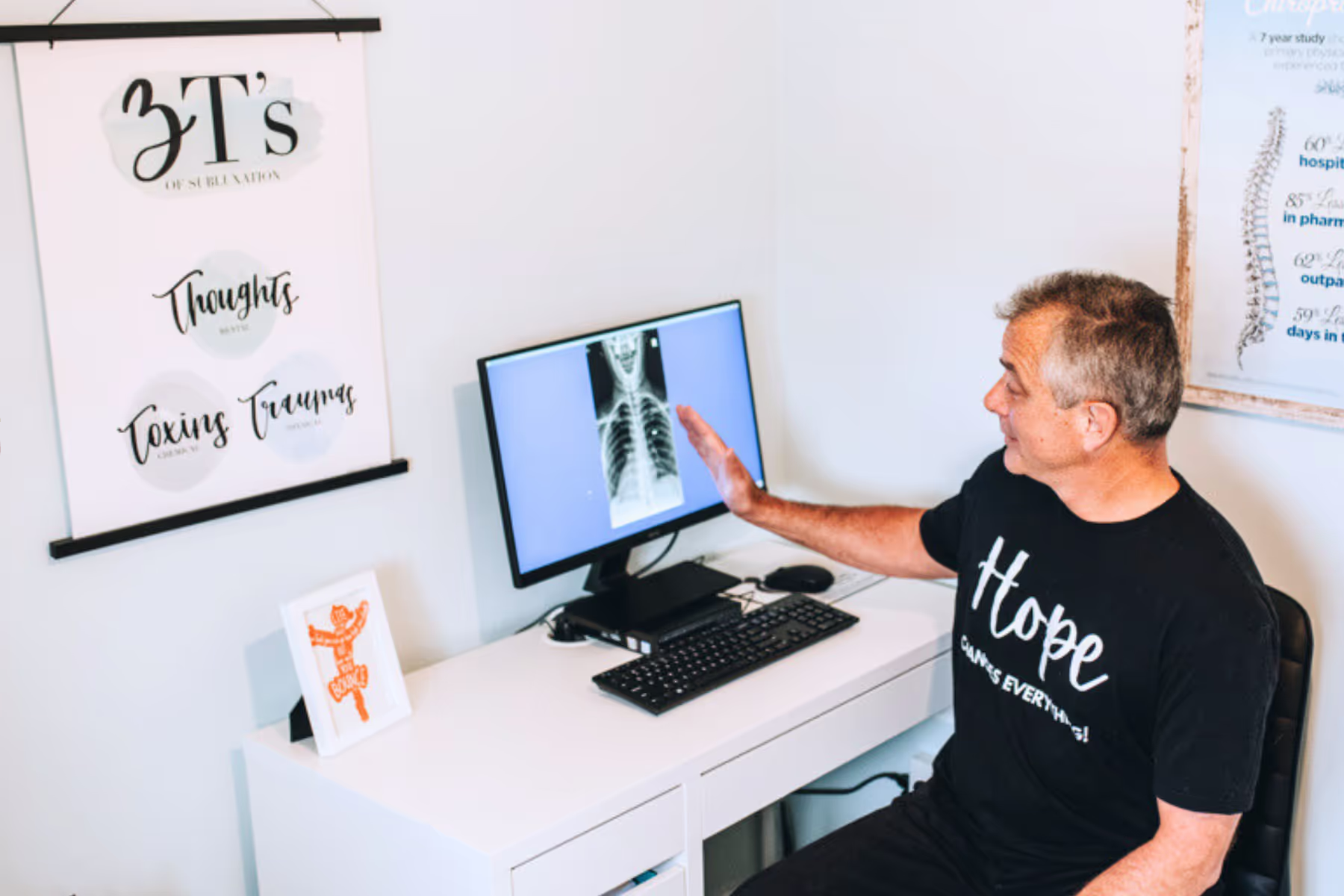
4. X-Rays (If Necessary)
In some cases, the chiropractor may recommend X-rays to get a clearer picture of your spine and other joints. X-rays can help identify:
Not all patients will require X-rays, but if your chiropractor deems them necessary, they will explain the reasons and how the images will aid in your treatment plan.
Planning Your Chiropractic Care
Report of Findings
Based on the findings from your initial assessment, your Doctor will develop a personalized treatment plan tailored to your specific needs and health goals. This plan will outline:
- The frequency of your visits
- The types of adjustments and therapies that will be used
- Wellness recommendations
- Expected outcomes
Your First Adjustment
Your 1st adjustment will typically occur during your second visit to the clinic.Common chiropractic techniques include:
- Diversified technique (manual adjustments)
- Activator method (using a small handheld device)
- Gonstead technique (specific adjustments based on detailed spinal analysis)
- Thompson technique (using a special table with drop pieces)
Personalized Recommendations
In addition to spinal adjustments, a vitalistic chiropractor often provides lifestyle and wellness recommendations to support your overall health. These recommendations may include:
- Exercise and stretching routines
- Stress management techniques
- Nutritional recommendations
- Ergonomic tips for work and daily activities
Your Chiropractic Care Experience
.avif)
1. Improved Mobility and Function
Chiropractic adjustments can help restore proper alignment and function to your spine and joints, leading to improved mobility and range of motion. This can make everyday activities easier and more comfortable.
2. Pain Relief
One of the most immediate outcomes you can expect from chiropractic care is pain relief. Many patients experience a reduction in pain and discomfort after just a few adjustments. Common conditions that respond well to chiropractic care include:
- Back & Neck Pain
- Headaches
- Sciatica
3. Enhanced Nervous System Function
By correcting spinal misalignments, chiropractic care can help to improve the function of the nervous system. This can lead to better communication between your brain and body, promoting overall health and wellness.
1. Preventive Health
Vitalistic chiropractic care emphasizes preventive health and wellness. By maintaining proper spinal alignment and addressing lifestyle factors, you can reduce your risk of developing chronic health issues and improve your overall quality of life.
2. Enhanced Quality of Life
Long-term chiropractic care can lead to significant improvements in your overall quality of life. Patients often report:
- Increased energy levels
- Better sleep
- Improved mood
- Mental clarity
- Enhanced ability to heal
3. Sustained Health and Wellness
The ultimate goal of vitalistic chiropractic care is to help you achieve and maintain optimal health and wellness. By addressing the root causes of your health issues and supporting your body’s natural healing processes, chiropractic care can help you lead a healthier, more vibrant life.

Regular Progress Exams
Your Progress Examination Includes
- Postural Analysis
- Range of Motion Tests
- Neurological Evaluation
- Documenting Any Changes in Your Symptoms & Health
- A Chance to Celebrate Your Successes!
Regular progress examinations are a key component of vitalistic chiropractic care. These examinations allow your chiropractor to:
- Monitor your progress
- Evaluate the effectiveness of your treatment plan
- Make any necessary adjustments to your care
Patient Feedback
Your feedback is an important part of the progress exam process. Be sure to communicate any improvements, setbacks, or new symptoms you may be experiencing. This information helps your chiropractor make informed decisions about your ongoing care and ensure that your treatment plan is meeting your needs.
Celebrating Successes
One of the most important elements of every Progress Exam is the time taken to celebrate the milestones you've achieved (big & small)! By turning your attention to the improvements and the positive impacts on your life, it gets easier to notice and enjoy many of the short & long-term outcomes of your chiropractic care.
READY TO GET STARTED?
Starting care with a vitalistic chiropractor is a proactive step towards improving your health and well-being. Chiropractic care offers a holistic approach to your health by focusing on the body’s innate ability to heal itself. Doctors of Chiropractic can help their patients achieve lasting health and wellness, enhancing their quality of life and promoting a healthier future.
.avif)